
ECOLOGICAL INFRASTRUCTURE: NATURE’S SPONGES UNDER THREAT
Wetlands are some of the most important natural areas in the world. They act like giant sponges, soaking up rainwater when it pours and slowly releasing it into rivers and streams during dry times. This natural process helps prevent or buffer floods, and keep water flowing in streams and rivers even during dry periods. Wetlands further clean water by filtering out dirt, nutrients, and pollution before it reaches rivers, lakes, or underground aquifers (groundwater). Being unique ecosystems wetlands are also home to a diversity of plants and animals, making them rich in biodiversity and diverse as ecosystems.
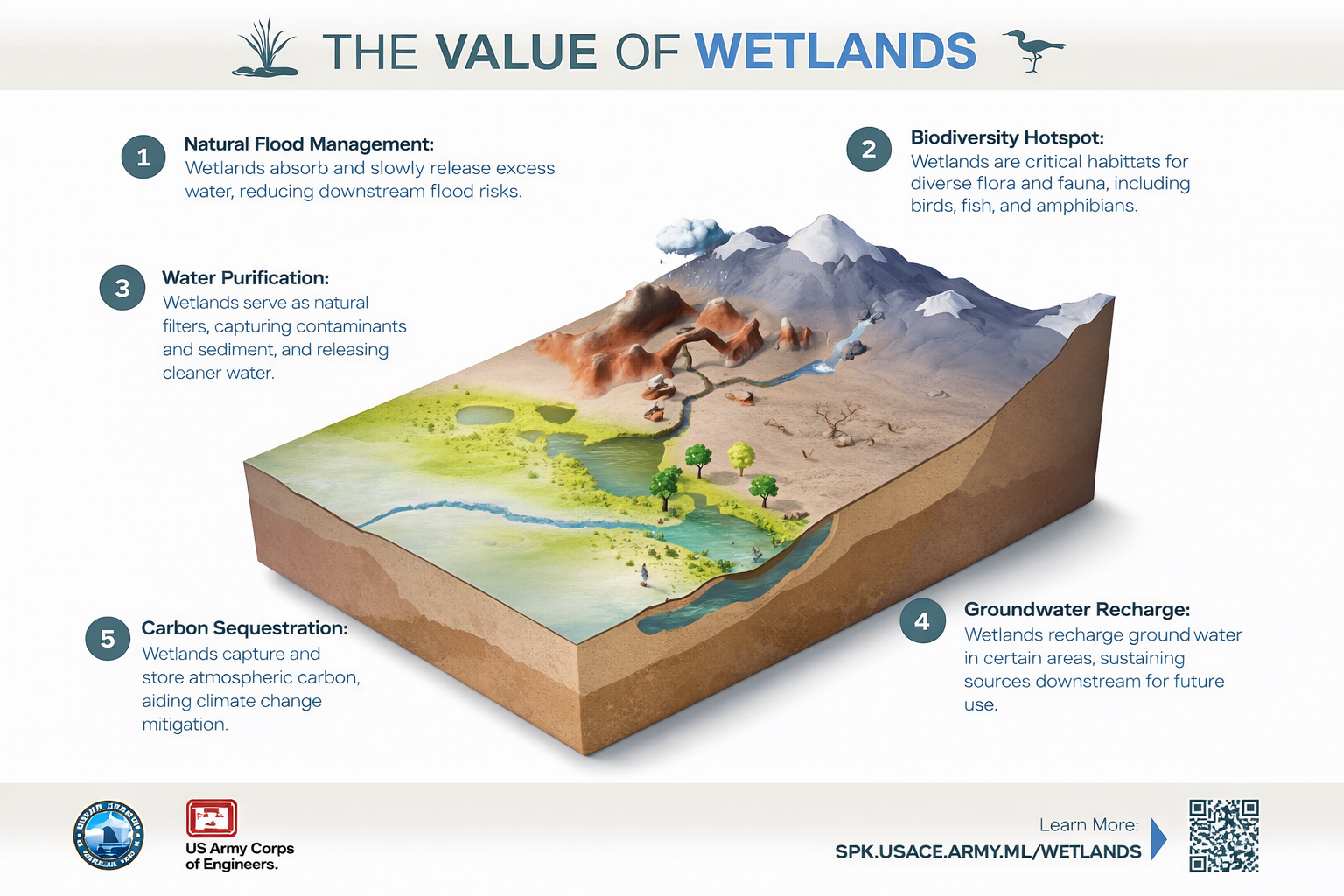
Every year on 2 February, the world celebrates World Wetlands Day. This day marks the signing of the Ramsar Convention in 1971 in Ramsar, Iran. South Africa was one of the first countries to join and became the fifth member in 1975. The 2026 theme is “Wetlands and Traditional Knowledge: Celebrating cultural heritage”, focussing on traditional and indigenous knowledge and how wetlands are linked to culture and heritage.
However, in light of the recent floods we would like to emphasise the importance of wetlands in mitigating floods and securing our water resources. Despite its importance, wetlands are being destroyed at an alarming rate. Houses are still being built in wetlands, dry riverbeds, floodplains, and other low-lying areas. Cultivations continue to occur within wetland areas. This happens because of land shortages, rapid urban growth, poor planning, or land grabs. But, building (e.g.) in these areas causes serious problems. Wet soil and poor drainage make homes damp, leading to cracks, mold, and weak foundations. Mold can harm people’s health, causing coughs, allergies, and breathing problems. Floodplains and dry riverbeds are especially dangerous; as heavy rains can cause sudden floods that can destroy all infrastructure and take lives in some instances. Recent disasters in Limpopo, Mpumalanga, KwaZulu-Natal, and Mozambique show how quickly floods can destroy homes and leave families homeless.
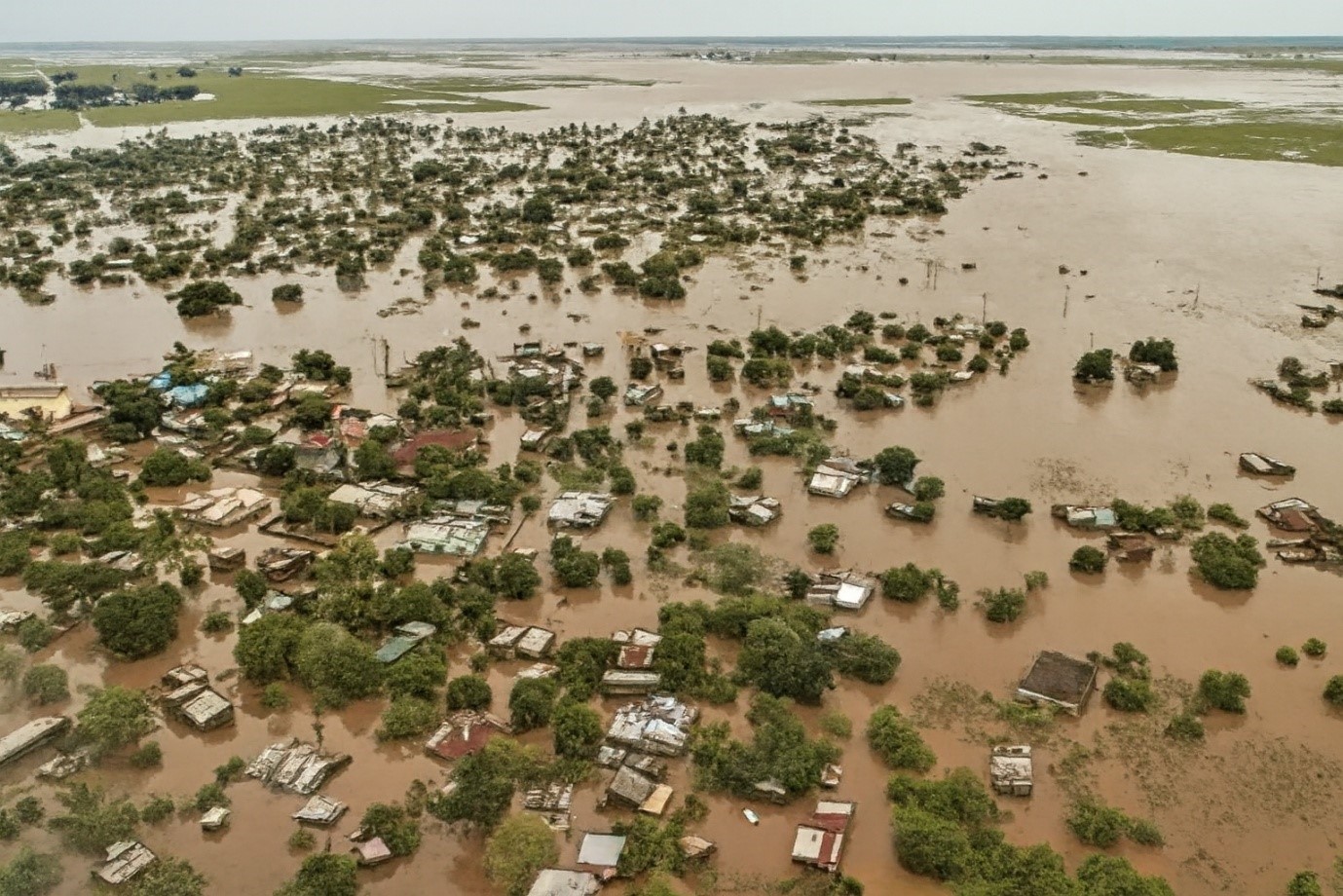
Image adapted from EPA: Floods in Mozambique 2026.
The costs are high. Families lose their material and sentimental belongings like furniture and photos amongst others. Governments spend millions on rescue operations, disaster relief, and repairing roads and bridges. The environment also suffers. When wetlands are laid dry to make space for houses, farms, or factories, they lose their ecological regulatory ability and ecosystem services it provides – not only worsening of flood impacts and water pollution, but also destroying wildlife habitats and biodiversity.
To stay safe, people should build homes on higher laying dry land. Protecting wetlands means saving lives, saving money, and protecting nature.
Let’s all do our part to care for wetlands — because they take care of us too.
World Wetlands Day 2026 | South African Government